Casino Table Games Compared: How to Choose the Right One for You
See also:
- Operator comparison: games, accounts and verification
- Leon Casino
- National Casino
- Ozwin Casino
- Ripper Casino
- RocketPlay
- What actually separates one table game from another
- Blackjack, roulette, baccarat and poker-style games side by side
- A quick reference for the main table games
- Digital tables versus live dealer tables
- How to check a table’s rules and limits before you sit down
- Common questions about casino table games
- Keeping table games a form of entertainment
Operator comparison: games, accounts and verification
Some table games count fully and others not at all, and the only way to know is to read each operator’s contribution list rather than assume.
| Brand | Details |
|---|---|
| Leon Casino | Leon Casino delivers casino games as web content to registered users, avoiding downloads but requiring a live connection. |
| National Casino | NetEnt jackpot wins are unavailable in Australia; the base game stays playable. |
| Ozwin Casino | Ozwin Casino is Australia-targeted but not authorised under ACMA’s online gambling rules. |
| Ripper Casino | Provider diversity cushions catalogue changes; confirm a specific title is listed before depositing. |
| RocketPlay | Most RocketPlay games are provably fair, letting players verify results; verification depends on each title exposing the data. |
Use the comparison to see which operators publish clear per-game rates.
level up casino codes: How to Weigh Up Your Options Before You Claim
Leon Casino
A Malta Gaming Authority licence is the detail worth knowing before you play at Leon Casino. That regulator imposes player protection standards, which in practice means the operator answers to an external body. It does not guarantee you will like the games, and it does not tell you which titles are stocked. It tells you the site operates under supervision.
National Casino
National Casino’s game selection is broad, and only part of it carries the NetEnt jackpot caveat. The restriction targets the pooled prize for Australian players, while the slot mechanics stay intact. If you enjoy a NetEnt title for its features, nothing stops you playing it. If the pool is the drawcard, look elsewhere, because that layer is unavailable.
Ozwin Casino
Suppose you want a quick answer on whether a game is a pokie or a table game. Ozwin Casino’s headings, pokies, slots and table games, sort that immediately, with new games and jackpots pulled out separately. The groupings are broad; they won’t tell you a title’s rules, only where to find it.
Ripper Casino
A 4,000-game library across 50 studios means new titles arrive steadily, but game availability can shift. Licences between operators and studios expire, and a slot you played last month may be gone. If a particular game matters to you, confirm it is still listed before depositing. Ripper Casino’s spread of providers softens the loss when one studio’s catalogue is pulled, because others fill the gap.
Davinci Casino: Verification and Payouts
RocketPlay
Encryption matters most when you log in away from home. RocketPlay uses 128-bit SSL encryption plus firewall protection for sensitive data, which covers the connection between your browser and the site. That protects your login and payment details on a phone. It says nothing about whether a particular pokie is fair, so keep the two concerns separate when you assess the site.
What actually separates one table game from another
House edge versus volatility: what the first difference gets wrong
A low house edge and a gentle game are not the same thing. Blackjack with rules close to basic strategy carries a small expected loss per hand, yet each individual session can swing sharply depending on how many hands you play and how the cards fall. Roulette’s single-zero wheel sits in a similar neighbourhood on expected loss, while a multi-deck game with restrictive doubling and splitting turns the same cards into a worse proposition. The real difference lies between the long-run average and the short-run experience. Match your temperament to volatility, not just the headline average, because a game with a favourable average and a punishing variance curve is a poor fit for a player who wants their bankroll to last an evening.
Where the decision sits: luck, judgement and the dealer’s role
What separates table games most clearly is how often you make a choice that changes the odds. In baccarat you largely declare a side and watch. In roulette the only controllable element is which bets you place, and every spin is independent. Blackjack hands decisions back to you on nearly every card, which is why the rules you are permitted to use matter as much as the hand you are dealt. Poker-style games sit apart entirely, pitting you against other players and requiring reads rather than a house comparison. Pace ties to these decisions: a rapid electronic game compresses many outcomes into a short window, while a live table with a physical dealer inserts time between hands that can slow losses or simply stretch the session. Check the table’s printed rules before you take a seat. The exception that changes the decision is usually a small clause about doubling, surrendering or commission, not the game’s name.
syndicate casino australia: Account Verification and Withdrawals
Blackjack, roulette, baccarat and poker-style games side by side
Where the difficulty sits in each game
Every hand in blackjack demands more from you, which is exactly why some players never take to it. The dealer’s visible card and your own two cards determine whether you hit, stand, double or split, so a single hand can present several decisions instead of one. Basic strategy exists to reduce that pressure with a pre-learned response to each card combination, but applying it still means reading the table and holding your nerve. Roulette moves the pressure in the opposite direction: you pick a bet, place it, and the wheel decides. European and American wheels differ in the number of pockets, and that difference matters because it changes the house edge, though the exact figure depends on the variant on offer.
Baccarat strips the decision down to its smallest form. You choose Player, Banker or Tie, and the drawing rules resolve themselves. That simplicity is the appeal; it is also the reason baccarat can feel less engaging to someone who wants to steer the outcome. Poker-style games such as casino poker variants sit at the other end. They reward reading opponents or, against the house, understanding hand rankings and betting structure, and the learning curve is steeper than the other three combined.
Matching the game to the kind of session you want
Blackjack is the most obvious pick if you want your decisions to shape the outcome. If you want to watch a spin resolve without further input, roulette or baccarat fits better. The roulette wheel offers a wider spread of bet types, from single numbers to broad outside bets, while baccarat keeps the choice narrow by design.
Poker-style games reward patience and study, so they suit a longer session where you are willing to lose a few hands while learning the rhythm. None of these games guarantees an outcome on any given hand, and the differences above concern how the game plays, not how much you can expect to win.
A quick reference for the main table games
Roulette’s draw is that every spin stands alone, so a player who wants to stop thinking between rounds can place a bet and wait. Blackjack asks the opposite of you: each hand presents a choice, and the dealer’s rules determine whether that choice is straightforward or fiddly. Baccarat sits between them in effort but not in structure. You pick a side and the drawing rules decide the rest, which removes ongoing decisions after the first wager.
| Game | Core choice each round | How much strategy affects play | Key rules to read before playing | Fits a player who wants |
|---|---|---|---|---|
| Blackjack | Hit, stand, double or split | High: consistent hand strategy is central, not optional | Dealer draw on soft seventeen; deck count; doubling and splitting limits | Active hand-by-hand decisions |
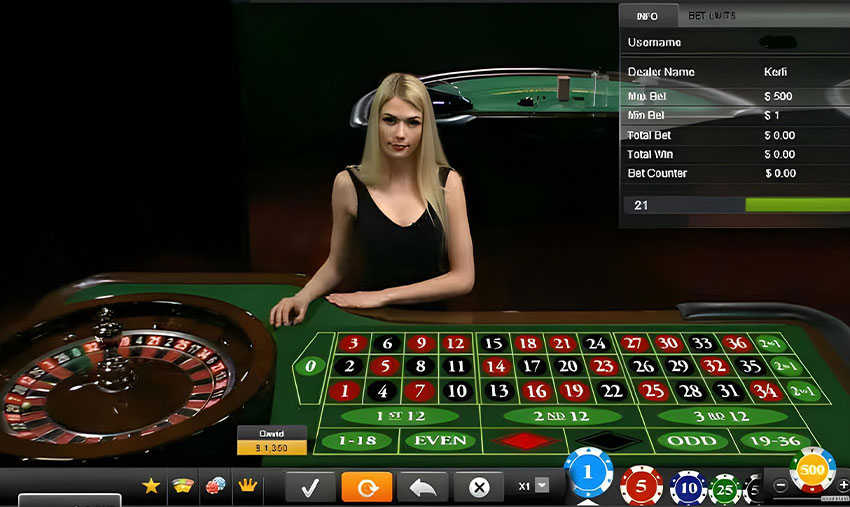
| Roulette | Where to place a bet before the spin | Low: spins do not depend on earlier results | Wheel type; inside versus outside bet coverage; table minimums and maximums | Fast rounds with a single decision |
| Baccarat | Back banker, player or tie | Low: the drawing rules do the work | Payouts for each of the three outcomes | A betting wager without ongoing choices |
| Poker-style tables | Fold, play or raise against the dealer | Moderate: raise and fold decisions shape the round | Hand rankings; raise timing and limits | A middle pace with more than one decision |
Comparing these four is not a matter of finding a best game. The table above traces a single axis: how much thinking each round demands and whether that thinking changes results. Roulette keeps the decision to a placement, and past spins don’t predict future ones, so you never carry a round into the next. Baccarat reduces you to a single wager, which some players find restful and others find thin. Blackjack gives you a decision each hand, which is heavier but allows a settled approach to influence your play over the long run. Poker-style dealer games occupy the space between: more action than baccarat, less variety than a multiplayer table.
Rules panels are where two games with the same name start to diverge. A blackjack variant that changes the dealer’s draw or the deck count may require a different hand strategy from the version beside it. Baccarat paytables alter what a tie returns, which shapes whether backing it is worth considering at all. Read the rules line for the game you have selected, not for the category.
Digital tables versus live dealer tables
Where the shuffle happens, and why that shapes your choice
The rules and payouts read the same for both formats, which means the meaningful distinction lies in how each round is dealt. A software-run table draws from a random number generator, reshuffling between rounds at a pace the software controls. A live dealer table draws from a physical shoe or wheel shown on camera. If you value seeing the deck being shuffled and the card turned, the live format closes a gap that a digital table leaves open: you are trusting the generator rather than watching the mechanics. That trust comes at a cost. Live tables run fewer hands per hour, and the streaming carries more latency between placing a bet and seeing the outcome, so the same session covers fewer decisions.
Bet ranges, table selection and pace
Digital tables multiply the choices. You can run several low-limit tables at once, choose a private version, or play at any hour without waiting for a seat. For someone learning the rules or testing a strategy on a small bet, this flexibility is usually the deciding factor. Live dealer tables sit at the other end: table limits tend to be higher, seats are shared, and you often wait for the next shoe or the next spin. The trade-off is the human element. A live table reproduces the pace and social rhythm of a physical casino, and some players find the visible dealer and the other bettors make it harder to lose track of time and stake. That atmosphere is the point of the format, not a flaw. Neither version is inherently fairer. The differences that matter are the visible evidence, the pace of play and the stake levels available to you.
mifinity casino australia – deposit limits
How to check a table’s rules and limits before you sit down
Rules live in different places depending on the table, and that split is the first thing to understand. The game’s core mechanics sit in the provider’s rules screen; the bet range, side-bet availability and any table-specific variation sit in the lobby entry or the table’s information panel. A generic help page about blackjack can describe the dealer’s draw order while telling you nothing about the minimum and maximum stake on the table you are about to join. Those are separate decisions.
- Open the lobby entry for the exact table, not the category page, and read the limits shown against that table. Note the minimum and maximum bet before you register an interest, because a table with a comfortable minimum may cap a side bet low enough to make splitting or doubling pointless for your stake size. If the lobby only names the table without limits, open the table in practice or play-money mode where the site offers it: the betting interface displays the accepted chip values, and the highest permitted total is usually visible in the same panel.
- Open the in-game rules or information screen and scroll past the how-to-play summary to the exceptions. Look for the specific clauses that change results: whether the dealer stands or hits on a soft total, when doubling is permitted, how many splits are allowed and whether split aces receive additional cards. For roulette, confirm whether the wheel is single-zero or double-zero and whether the even-money bets lose only half on zero. The difference between two tables with the same name often sits in one of these sentences.
- Check the side bets and any optional wagers as separate products with their own conditions, because the main-game rules do not govern them. A side bet can have its own limits, its own payout schedule and its own restriction on when it must be placed. If the schedule is not shown in the rules panel, the table does not give you enough information to judge the wager.
- Read the table’s stakes and rules together against the bankroll you brought, then decide before the first hand. A rule that favours the player is worthless at a stake limit that forces you to bet a large share of your balance on one outcome.
The trap is treating a familiar game name as a specification. Two tables labelled blackjack can share a name and differ in the dealer’s obligation on soft totals, the number of permitted splits and the treatment of a split ace. The same applies to roulette: the name describes the wheel and layout, not the betting conditions attached to it.
Common questions about casino table games
What should I do if a table game session runs longer or costs more than I intended?
Stop at the point you notice it, rather than after one more hand. Use the site’s deposit or session limit tools to set a cap before the next session, and if you’ve already exceeded your plan, close the table and leave the balance alone for the day. A loss is spent money, not a target.
How do I know a digital table’s results aren’t rigged?
You generally can’t confirm randomness by watching a few hands, and a short winning or losing run proves nothing either way. Look instead for published information about how the game’s random number generator is tested, and treat licensing as a claim about who supervises the operator, not a guarantee of each result. Where that information isn’t provided, you have less to go on.
Can I try table games without putting money at stake?
Many sites run a demo or play-money mode, which uses the same interface and chip values but no real balance. It suits learning where the buttons sit. Demo play cannot show you how a real session feels when the money is yours, so treat it as a rehearsal rather than a trial of your discipline.
Keeping table games a form of entertainment
A table game stops being entertainment when the session becomes a chase: raising stakes to recover a loss, or playing past the point you planned to stop. The practical safeguard is to set the spending and time limits before the first hand, using the site’s deposit or session tools where they exist, and to treat a loss as money already spent rather than a target to win back. In Australia the minimum age is 18, state regulators and ACMA oversee the market, and BetStop is the national self-exclusion scheme. Gambling Help Online, 1800 858, is there if play stops feeling like a choice.